Behind the lens
What Makes a Great Photo? Timing, Place and People
A lot of people believe that a great photo comes down to the photographer’s skill and camera. Get a good photographer with good gear, and great photos will come out every time.
After years of shooting portraits and landscapes, I see it differently. Skill and equipment guarantee a good photo. They don’t guarantee a great one. A great photo needs three things to line up at the same moment: the right time, the right place, and the right people. The Chinese saying for it is tian shi, di li, ren he (天时、地利、人和). And more often than photographers like to admit, that takes a bit of luck.
The right time: weather you can’t control
Singapore weather changes fast. You can plan an outdoor portrait session for a golden evening, and twenty minutes in, the sky opens and it pours. At that point it doesn’t matter how skilled the photographer is. You can move under shelter, change the plan, wait it out, but you can’t shoot the photo you imagined.
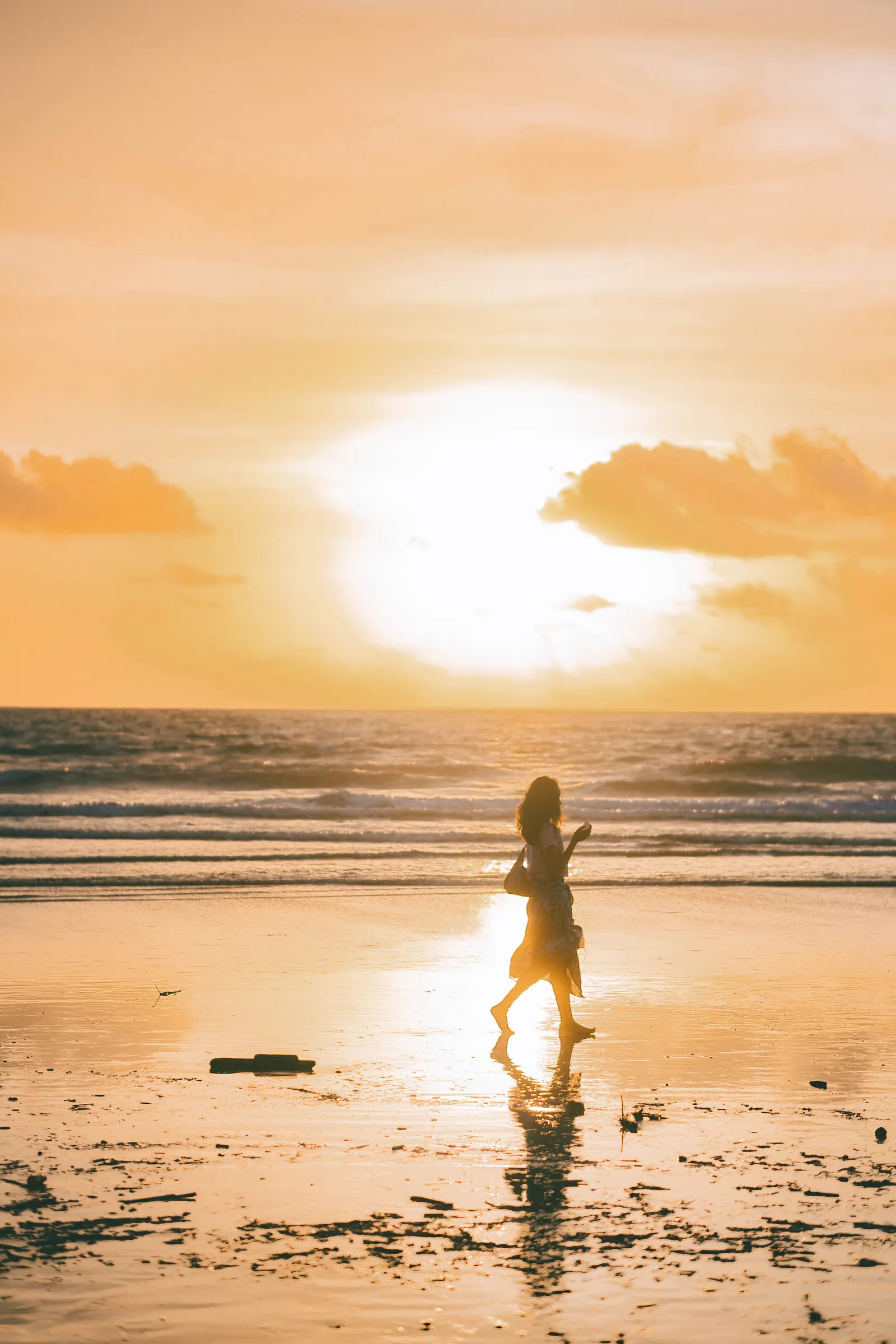
The opposite happens too. The cover photo of this post was one of those moments: the sun broke through a gap in the clouds for just a few minutes, the tide had left the sand wet enough to reflect the whole sky, and my subject happened to be walking right through the light. I didn’t plan that. I just happened to be there, ready.
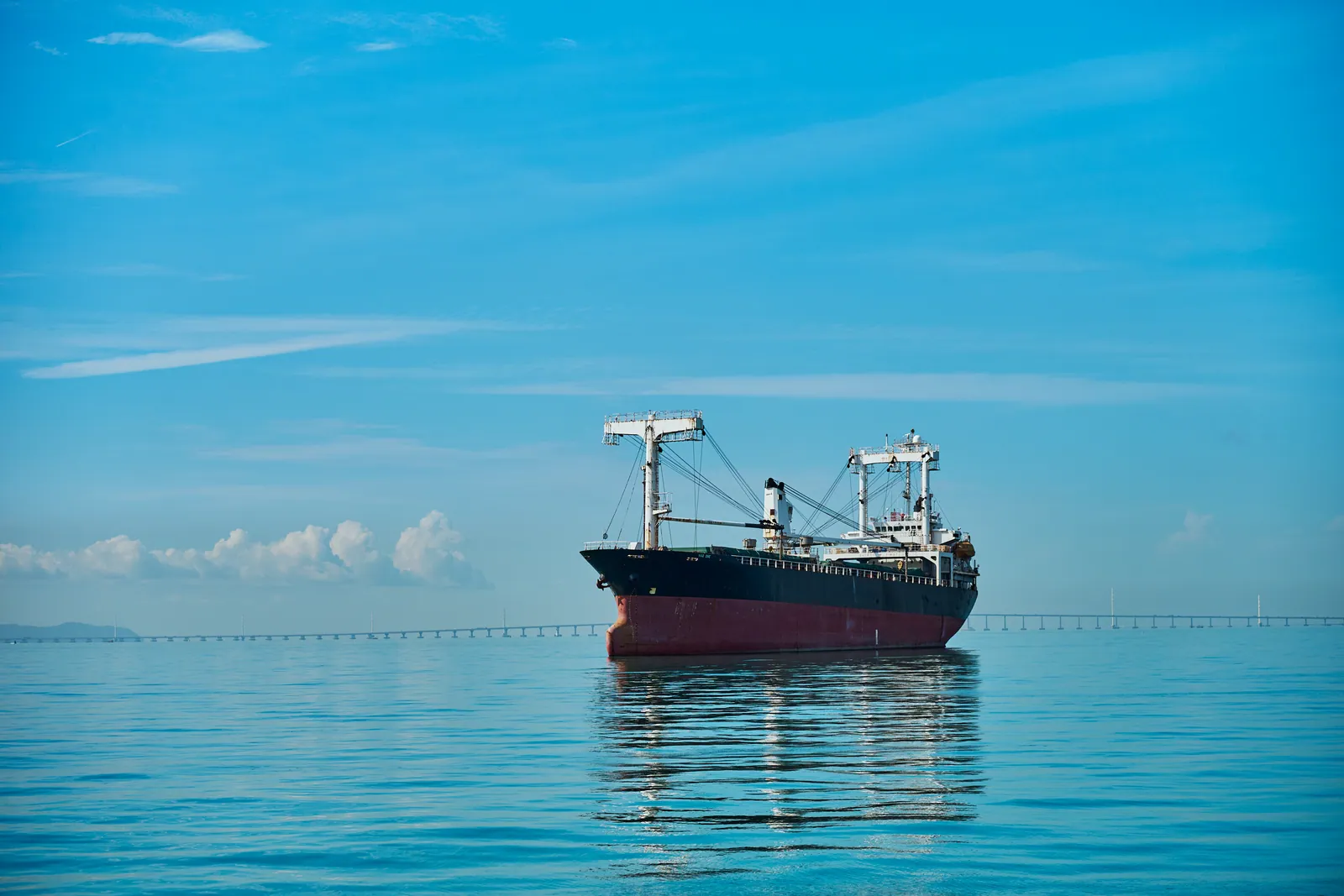
Water this calm, a sky this clean, clouds sitting low on the horizon: that’s a gift from the weather, not something any setting on the camera can create.
The right place: when the location isn’t what you expected
Sometimes the place itself works against you. One example I run into in Singapore: around the Singapore Grand Prix, many of the usual photo spots around City Hall and Marina Bay are closed off. Roads are shut, walkways are blocked, and temporary walls go up right where the best angles used to be. Photos taken there during that period often look messy, no matter how carefully you compose.
Even the Merlion Park area changes. At one point the bridge nearby had large floodlights set up along it, standing right in the frame. There’s nothing a photographer can do about that except find another angle, or another spot.
This is why, when I plan a shoot, I check what’s happening around the location, not just the weather.
The right people: mood matters more than posing
This is the one people talk about least, and it may matter the most.
Imagine someone who has just had an argument with their husband and kids on the way to the shoot. They arrive upset, and everything the photographer does feels annoying. The photographer, out of habit, says “give me a smile”. At that moment, the person in front of the camera probably wants to strangle him. How could a great photo come out of that?
A real smile can’t be ordered. It comes when people are relaxed and comfortable, and that depends on how their day is going as much as on anything the photographer says.
So what does the photographer actually do?
If great photos depend so much on luck, is the photographer’s job just to press the button? Not at all. Skill doesn’t create the moment, but it decides whether you catch it when it comes:
- Being ready. When the light breaks through for three minutes, a skilled photographer already knows the exposure and where to stand.
- Reading the scene. Noticing the reflection on wet sand, or the gap in the clouds, before it disappears.
- Reading people. Knowing when to stop asking for smiles, give someone a few minutes, and just talk.
Skill and gear make sure you’re ready. Luck brings the moment. A great photo happens when both meet.
How to give your photoshoot better luck
You can’t control the weather or other people’s moods, but you can stack the odds in your favour:
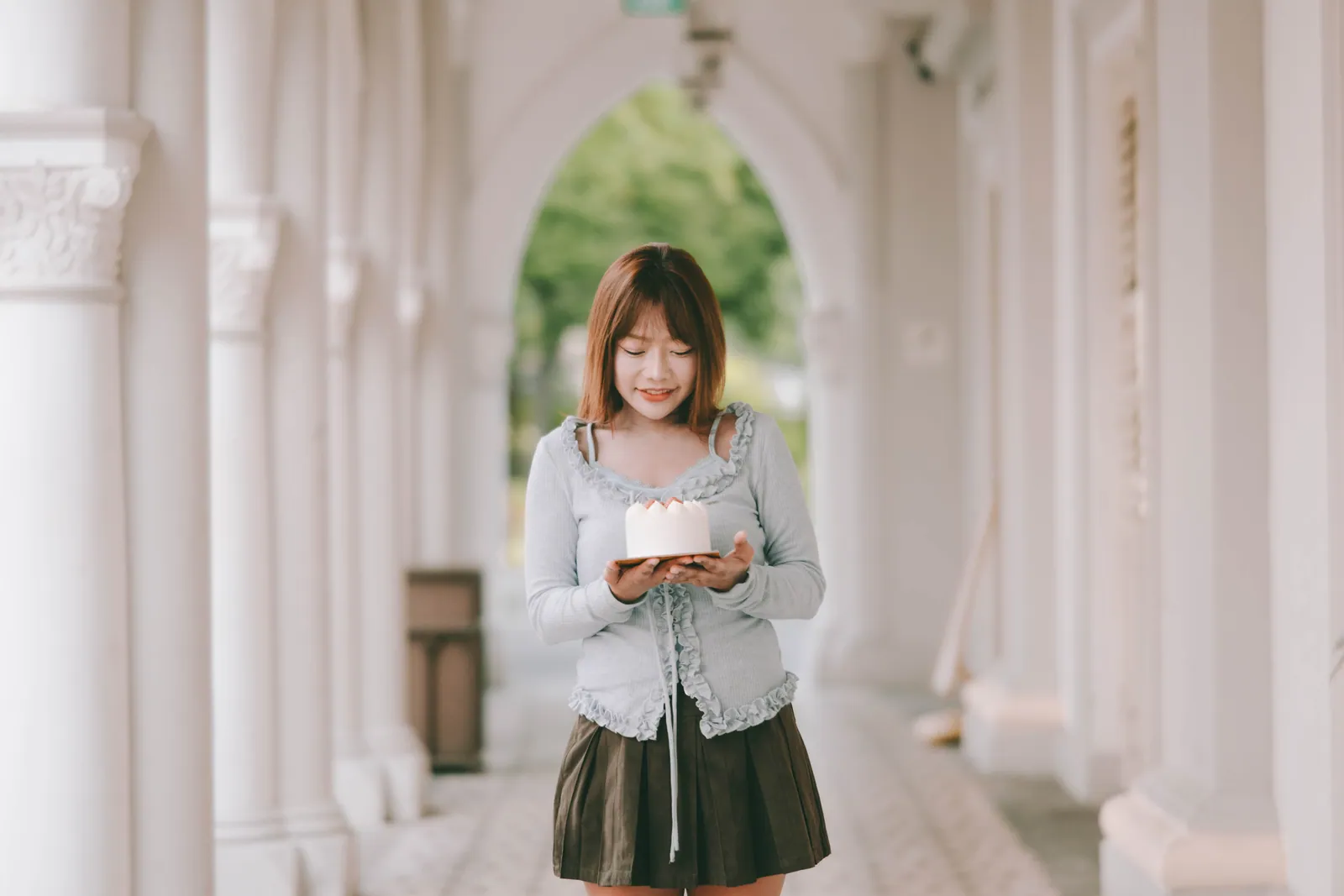
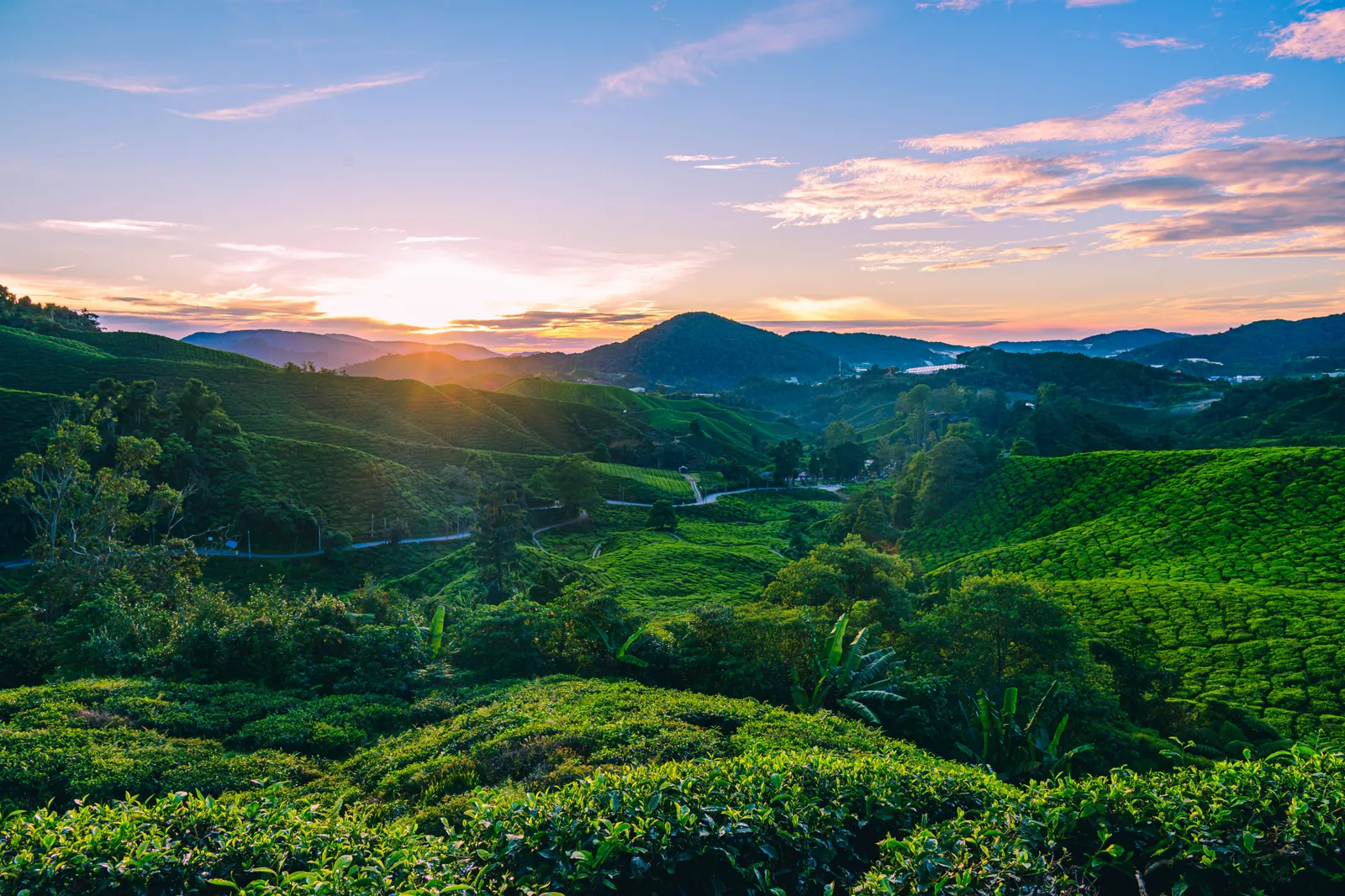
- Pick the right time of day. Early morning or late afternoon gives softer light and fewer crowds. My 8am birthday shoot at CHIJMES and Raffles Hotel is a good example.
- Keep a backup plan for rain. Choose a route with covered spots nearby, so a sudden shower doesn’t end the shoot.
- Check what’s on around the location. Big events like the Grand Prix can close off whole areas, so it’s worth asking your photographer before you pick a date.
- Leave time before the shoot. Arriving rushed or stressed shows on camera. A calm start makes everything easier.
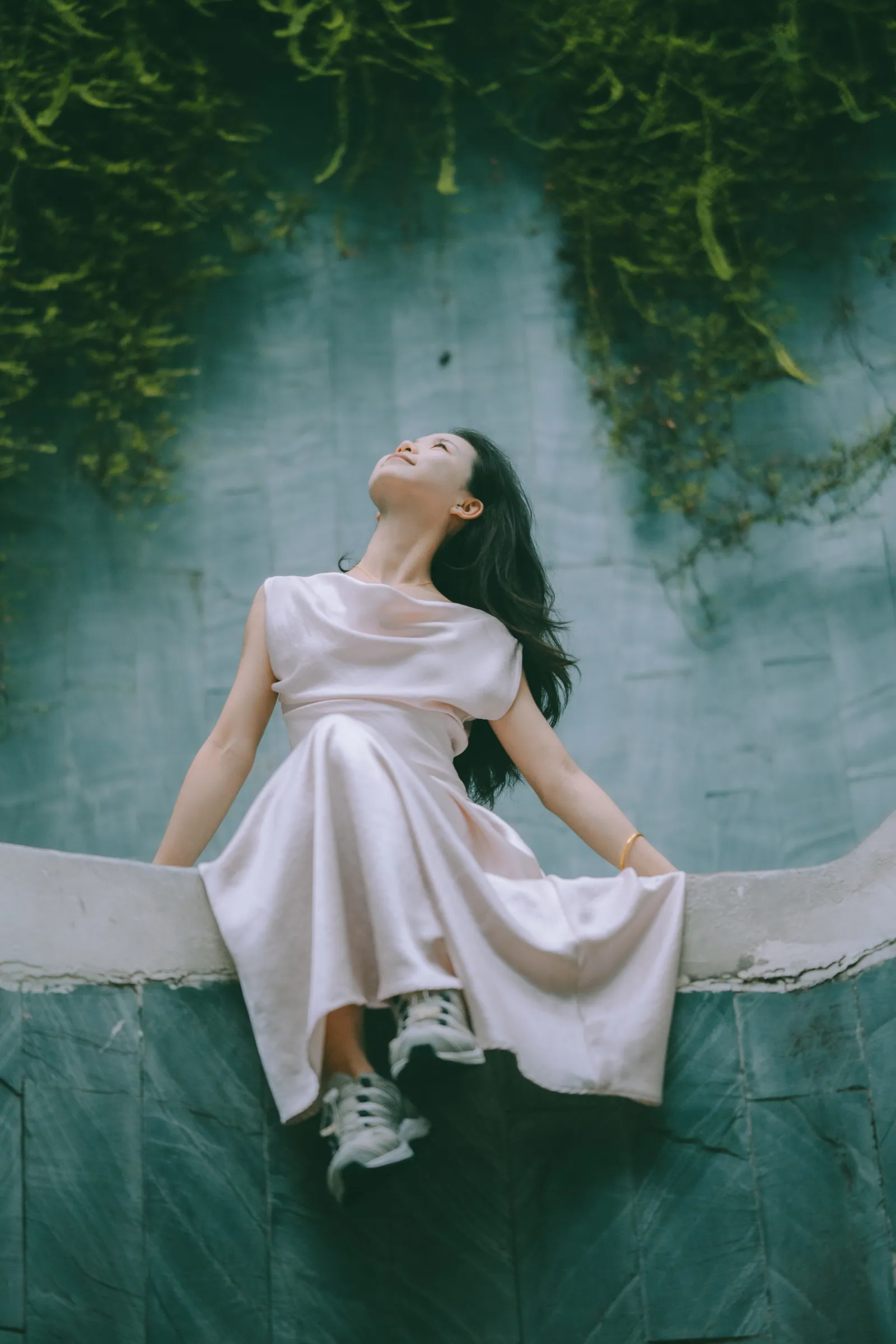
- Stay open to change. Some of the best photos happen when plans change. Soft evening light at Fort Canning Park turned out to be perfect for a moody look nobody had planned at first.
Book a Singapore photoshoot
I can’t promise the weather, but I’ll plan the timing, the route and a backup, and be ready when the moment comes.
- S$200 for 2 hours, with as many spots as we can fit in
- 50% deposit to book, balance paid after the shoot, and photos sent to you on the spot
See how a Singapore photoshoot works, or send me a message and let’s find the right time and place for your photos.